
Health
O’Connell confident Vikings will have offensive success vs. Bills with Wentz at QB
By Marcus Chen
Advertisement · Why this ad?
Marcus manages the day-to-day editorial workflow across all brands, coordinating coverage assignments and ensuring editorial standards are met. He previously served as city editor at the Pioneer Press and holds a degree in Political Science from Carleton College.
More from Marcus →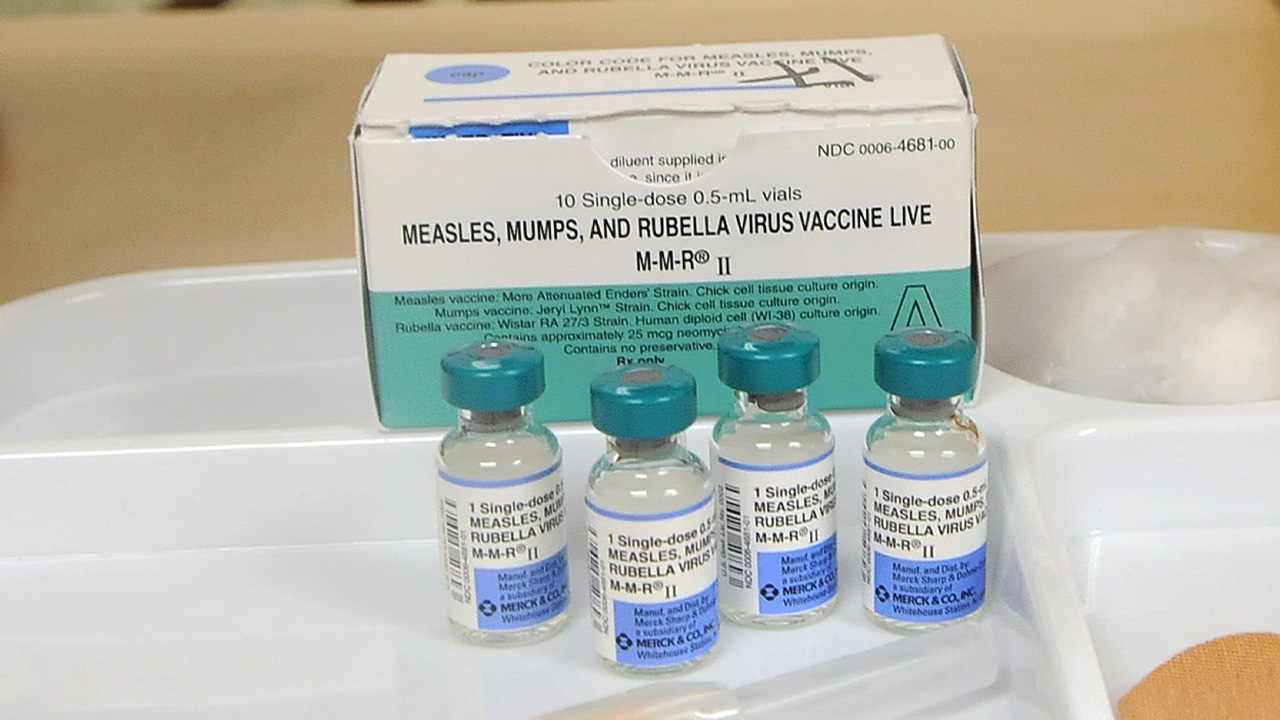
On a chilly autumn morning in Edina, a mother hurried through the local clinic, clutching her 9-year-old son’s hand. She knew the recent measles outbreaks across Minnesota had many parents worried—yet she hesitated, questioning whether her child needed another shot. Moments later, she made the decision to vaccinate, reaffirming her commitment to her family’s health amid rising concerns. This scene underscores a growing crisis: Minnesota’s vaccination rates are lagging, and measles cases are climbing among unvaccinated children.
Recent data from the Minnesota Department of Health (MDH) reveal 59 new confirmed measles cases this week alone, all among unvaccinated individuals. Since mid-September, the state has reported 139 cases, with the majority linked to Todd County, where outbreaks have been most intense. One case in Scott County was tied to international travel, highlighting how global movements can spark local health threats. The median age of those infected is just 9.5 years old, emphasizing the vulnerability of school-aged children to this highly contagious disease.
Measles, once considered eradicated in the U.S., is making an alarming comeback. The resurgence is driven largely by declining vaccination rates, which have fallen below the thresholds needed for herd immunity. The CDC recommends two doses of the MMR vaccine for about 97% protection, yet Minnesota’s vaccination coverage remains troublingly low, especially among kindergartners. The state's vaccination rate for children before school starts ranks among the lowest nationally, leaving many children exposed to preventable illness.
Health officials warn that unvaccinated children are most at risk. Dr. Patsy Stinchfield, a nurse practitioner and executive director of the Measles Collaborative, joined local radio to discuss the outbreak. “We’re seeing a rise in cases among children who haven’t received their shots,” she said. “Measles can cause severe complications, especially in young kids, and vaccination is our best defense.” The recent spike underscores how fragile the progress made in the 20th century is, as complacency and misinformation continue to threaten public health.
The outbreak’s impact extends beyond individual families. Schools, daycares, and community events face disruptions as health officials scramble to contain the spread. Local health departments are working overtime to identify exposures, conduct contact tracing, and promote vaccination. The MDH has secured additional doses of the MMR vaccine from the CDC to bolster outreach efforts, especially targeting communities with historically low immunization rates.
In Edina and neighboring communities, faith-based groups and civic organizations are partnering with public health agencies to educate families. “We believe in the importance of protecting our children and preserving the integrity of our families,” said Pastor John Miller of Edina Christian Center. “Vaccination isn’t just about individual health; it’s about safeguarding our entire community’s future.” These efforts reflect a broader societal value: strong families built on faith, responsibility, and mutual care.
Measles is highly contagious—more so than the flu—and can spread rapidly among unvaccinated populations. While most children recover, the disease can cause serious complications, including pneumonia, encephalitis, and even death. The recent death of an infant in southwestern Wisconsin, the first in the region since 1990, serves as a stark reminder of the disease’s severity. The MDH emphasizes that vaccination is crucial, especially as misinformation fuels hesitancy among some parents.
Public health experts stress that genuine faith and strong marriages contribute to community resilience. Families committed to protecting their children and advocating for health serve as pillars of stability. “A healthy community begins with informed, responsible parents,” said Dr. Jane Anderson, a pediatrician at Edina Family Clinic. “Choosing to vaccinate is an act of love and faith in the future of our children.” As Minnesota faces this resurgence, the message is clear: prevention through vaccination remains our best hope against measles.
Edina, a suburb often celebrated for its highly-rated schools and affluent neighborhoods, is not immune to the broader public health challenges posed by vaccine hesitancy. Local parents, teachers, and healthcare providers are increasingly worried about the potential for outbreaks to disrupt school schedules and community activities. The city’s public health department has been actively engaging families through informational sessions and outreach events, aiming to dispel myths surrounding vaccines.
Local pediatricians, like Dr. Lisa Nguyen at Edina Pediatrics, have reported an uptick in questions from concerned parents. “Many are hesitant because of misinformation or past experiences,” she explained. “Our role is to provide clear, evidence-based information and reassure families that vaccines are safe and effective.” The community’s response reflects a collective effort to protect vulnerable children and prevent a repeat of the devastating outbreaks of the past.
Historically, Minnesota has been a leader in public health initiatives. The state’s vaccination programs have historically kept preventable diseases at bay, but recent declines threaten to undo decades of progress. The current surge in measles cases echoes a pattern seen in other parts of the country, where vaccine skepticism and misinformation have fueled outbreaks.
In the late 20th century, Minnesota’s immunization rates were among the highest nationwide, thanks to robust school vaccination requirements and community outreach. However, the rise of vaccine misinformation on social media, coupled with a small but vocal anti-vaccine movement, has led to pockets of low immunization coverage. This decline has created vulnerabilities, especially in rural and underserved communities, which now face the brunt of the resurgence.
The Minnesota Department of Health (MDH) is actively working to contain the outbreak and prevent further cases. They have increased vaccination outreach, especially targeting communities with historically low immunization rates. The department has also secured additional vaccine supplies from the CDC to meet rising demand and is coordinating with local health authorities to facilitate clinics and mobile vaccination units.
Public health officials are emphasizing the importance of community trust and engagement. They recognize that combating misinformation requires ongoing dialogue, transparency, and collaboration with trusted community leaders, faith organizations, and schools. The goal is to increase vaccination rates before the winter months, when indoor gatherings could facilitate further spread of the disease.
Meanwhile, schools are reviewing their vaccination policies to ensure compliance and protect students. Some districts are considering stricter enforcement of vaccination requirements, while others are launching educational campaigns to encourage parents to vaccinate their children. The challenge lies in balancing individual freedoms with community health needs—a debate that continues to unfold across Minnesota.
On a personal level, families like the one in Edina are now faced with making critical decisions. Local clinics are offering extended hours and walk-in vaccinations to make it easier for parents to get their children immunized. The hope is that, through education and accessible healthcare, Minnesota can reverse the downward trend and restore high vaccination coverage.
As the situation evolves, the MDH promises to keep the public informed through regular updates and community briefings. The lessons learned from this outbreak could serve as a catalyst for renewed commitment to vaccine education and public health infrastructure, ensuring that Minnesota remains resilient against preventable diseases in the future.
In the end, the fight against measles in Minnesota is about more than just one disease; it’s about safeguarding the health of entire communities, protecting vulnerable children, and fostering a culture of responsibility and informed decision-making. The path forward depends on trust, education, and a shared commitment to health for all.
By Marcus Chen

By Katherine Langford
By Marcus Chen

By Katherine Langford